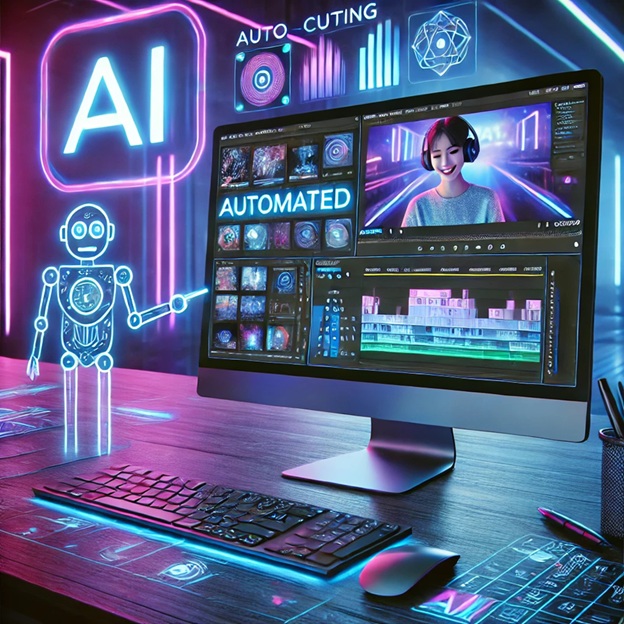
AI Methods for Video Editing have become important these days. Excellent video editing is fundamentally based on narrative. But the technologies and methods used behind the scenes have to change to match rising audience expectations. Now, enter sophisticated artificial intelligence (AI), a revolution for filmmakers, content producers, and video editors. AI is redefining what is feasible in video editing, giving artists tools to push limits, save time, and concentrate on creative choices; it is not just automating boring chores.
This blog explores how artificial intelligence methods for video editing are transforming everything from scene identification to motion tracking. Read on if you’re interested in how artificial intelligence could elevate your editing processes and narrative approach.
Scene Detection Driven by AI for Effective Editing Processes
The days of painstakingly combing hours of raw film in search of pivotal sequences are long gone. Scene recognition driven by artificial intelligence accelerates and simplifies one of the most labor-intensive aspects of video editing. Presenting editors with pre-organized chunks, this system employs machine learning to detect cuts, transitions, and thematic changes in video.
AI-based scene identification is being included in programs like Adobe Premiere Pro and DaVinci Resolve to assist editors in precisely locating the most relevant clips and removing conjecture. This kind of simplification of timelines lets editors concentrate their time and effort on the creative elements of editing instead of tiresome organizing.
Consider a wedding videographer organizing via a 4-hour ceremony recording. AI can spot events like the vows, the first kiss, and guest responses, simplifying an otherwise demanding procedure. Documentary filmmakers may similarly quickly go through interviews to identify fascinating pieces for their narratives.
Scene Detection AI Benefits:
- Spots visual markers and transitions to save time.
- Decreases the scene classification human mistake.
- It increases output and lets editors concentrate on the narrative.
AI-powered scene recognition has proven a tremendous time-saver for video editors working on long-form projects or tight deadlines.
Improving Visuals with AI Methods for Video Editing
Any video’s most arresting element is its images. AI has brought revolutionary tools that enable editors to precisely and quickly control and improve video. From breakthrough style transfer methods to automatic color correction, artificial intelligence makes even difficult visual improvements available to anyone.
Automatic Colour Correction
Color correction is crucial for a unified appearance in videos. By analyzing videos and applying exact changes to exposure, saturation, and white balance, advanced artificial intelligence systems can now remove variations across recordings. Tools like ColorLab AI and DaVinci Resolve’s AI capabilities let editors rapidly generate amazing images.
Imagine you are editing a vacation vlog with video captured in many lighting environments. AI finds differences and fixes instead of hand-adjusting every scene to guarantee consistency throughout the film.
Upscaling Powered by AI-Powered
Working with low-resolution video? Artificial intelligence upscales video resolution using machine learning. Devices like Topaz Video Enhance retain clarity and reduce artifacts. Artificial intelligence can upscale 1080p material to 4K or more. This especially helps when using old footage for repurposing without compromising visual quality.
Style Transfer for Musical Flair
Ever wanted your video to seem like a specific movie or the style of a well-known painter? AI-powered style transfer uses creative textures and color palettes applied to your film to enable this. Runway and Prisma widen creative frontiers and allow editors to explore unusual, styled looks.
These AI-powered visual editing tools transform video aesthetic appeal from a challenging chore into an exhilarating creative playground.
Programmable Audio Enhancement and Noise Reduction
Excellent images need equally interesting audio, yet many editors know that uneven audio quality may ruin even the most engaging video. Fortunately, too, artificial intelligence is transforming audio editing. Advanced artificial intelligence methods streamline the problematic task of audio modification, whether it comes to lowering unwelcome background noise or improving general sound quality.
Noise Reducing Strategies
Using machine learning, AI noise reduction products like iZotope RX and Adobe Audition separate and reduce noise, including wind, hums, or background conversation. These tools are a lifesaver for video producers doing outside shots or interviews who want to get perfect, clear audio.
For instance, artificial intelligence may help an amateur filmmaker edit speech captured on a busy city street, isolate distracting traffic noises from the actor’s voice. This guarantees the conversation stays front and center and saves hours of hand editing.
Automated Mixing and EQ
Audio editing transcends simple noise reduction. Using soundtracks and voices, AI-driven equalizing (EQ) and mixing technologies balance levels and enhance clarity. Auphonic and Descript intelligently modify audio to provide refined results.
Imagine working on a YouTube video wherein a loud background track interferes with the speaker’s voice. AI can dynamically change the mix so that every syllable is audible without overwhelming the background music.
AI manages the technical difficulties of audio improvement, freeing editors to focus on creating captivating soundscapes that improve narrative.
Motion Tracking and Object Removal Techniques Driven by AI
Motion tracking and object removal have long been considered complex and time-consuming editing tools. However, artificial intelligence has streamlined them so editors can accomplish Hollywood-caliber effects with minimal work.
In motion tracking, precision
Like those in After Effects and Mocha Pro, AI-powered motion tracking tools let editors easily affix images, animations, or text to moving objects in a film. These devices use machine learning to find and follow things with previously unheard-of precision.
Content developers may employ motion tracking, for example, to give 3D effects to fast-moving vehicles in action sequences or put subtitles behind a subject. AI significantly reduces editing time by eliminating the need for frame-by-frame corrections.
Object Removal Made Easy
Unwanted items or distractions in video? Content-Aware Advanced AI-driven object removal technologies from Adobe, Fill in the gaps sensibly to neatly eliminate items by analyzing surrounding pixels. For editors who must correct mistakes without re-shooting, this is a lifeline.
Imagine a business video with a distracted onlooker front and center. AI finds the undesired piece and eliminates it instead of expensive reshoots, therefore elegantly merging the backdrop.
These technologies are reducing the entrance barrier for sophisticated editing methods, enabling producers at all levels to improve the output quality of their work.
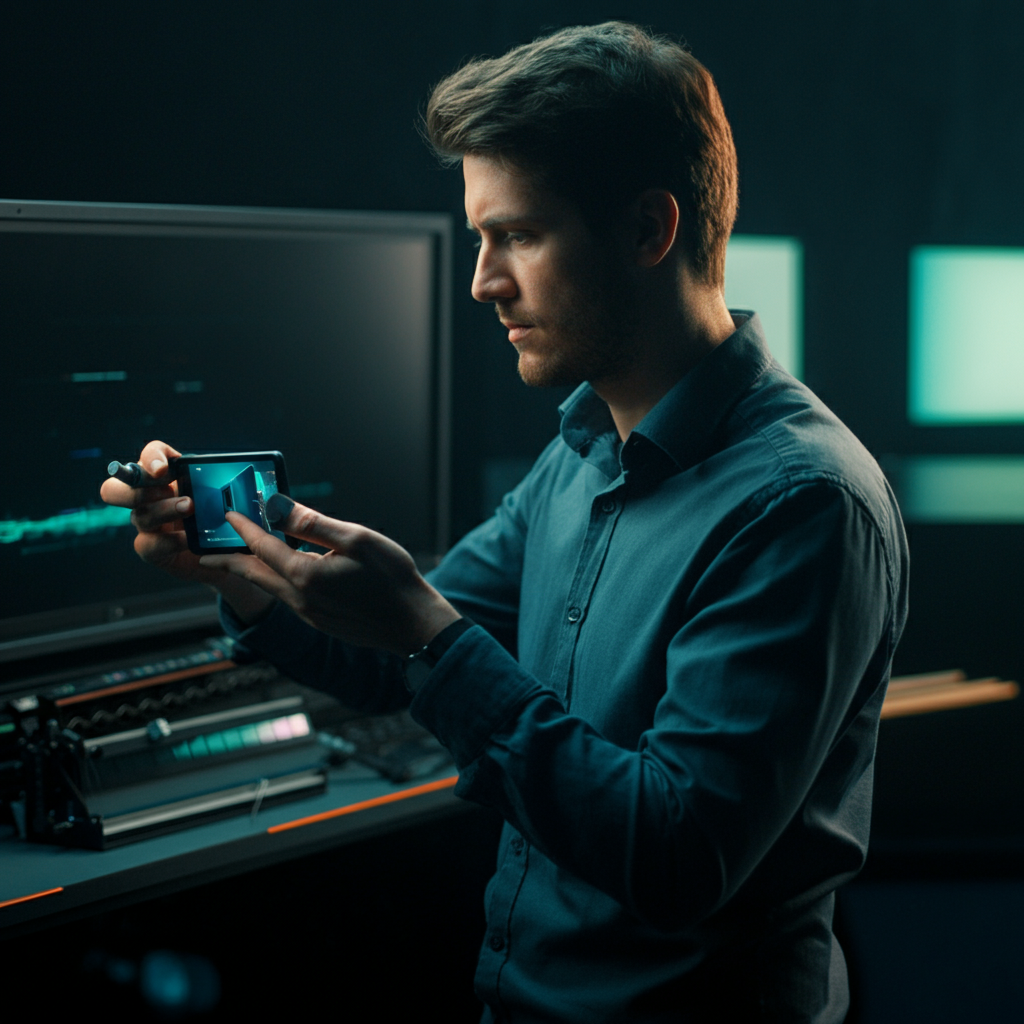
AI’s Transformative Future in Video Editing
AI is here to accentuate video editors’ creativity, not to replace them. Advanced artificial intelligence techniques for video editing have changed procedures, eliminated labor-intensive tasks, and opened new creative freedom aspects. From automatic audio features and motion tracking to AI-powered scene identification and visual upgrades, this technology is guiding the next phase of narrative.
Looking forward, artificial intelligence’s ability in video editing will only keep growing. As they grow smarter, machine learning algorithms will be able to recognize complex creative preferences and provide ever more precise outcomes.
Right now is the moment for video editors to investigate AI-powered tools and see how they could change their editing technique. The entrance hurdle has never been lower, with easily available choices at every ability level. Whether you’re creating daily social media material or working on your next major film, using artificial intelligence in your process might be the change your narrative needs.
Conclusion
Using technologies that save time, improve accuracy, and open new artistic possibilities, integrating artificial intelligence in video editing is changing the creative scene and empowering editors. Artificial intelligence delivers efficiency and invention to every project, from automatic chores like color correction and scene identification to more complex features like motion tracking and tailored suggestions.
While artificial intelligence tackles mundane and difficult chores, film producers may concentrate more on their vision and narrative using these technologies. Whether your job involves industry professionals or content enthusiasts, AI-powered editing tools provide chances to improve your work and stay current with the changing media landscape.